
Dongguan has released a draft plan for its integrated transport network from 2026 to 2035 and is inviting public feedback. The proposal covers high-speed and intercity railways, metro lines, roads, public transport, cycling facilities and low-altitude transport infrastructure.
Under the plan, Dongguan would develop a railway hub system comprising two main stations and six supporting stations. A new central high-speed railway station would primarily serve departing high-speed services, while Dongguandong Railway Station would handle conventional passenger and freight services. The city also plans to advance the Shenzhen–Jiangmen Railway, introduce a second Guangzhou–Shenzhen high-speed railway, and develop additional regional rail connections. Phase III of Metro Line 2 and Phase I of Metro Line 3 are included among the major projects.
By 2035, the plan aims to place major cities across the Greater Bay Area within two hours of Dongguan and provincial capitals in the Pan-Pearl River Delta within three hours. Travel between neighboring urban areas in Guangzhou, Dongguan and Shenzhen is expected to take no more than 45 minutes, while journeys within Dongguan's central urban area should take around 30 minutes.
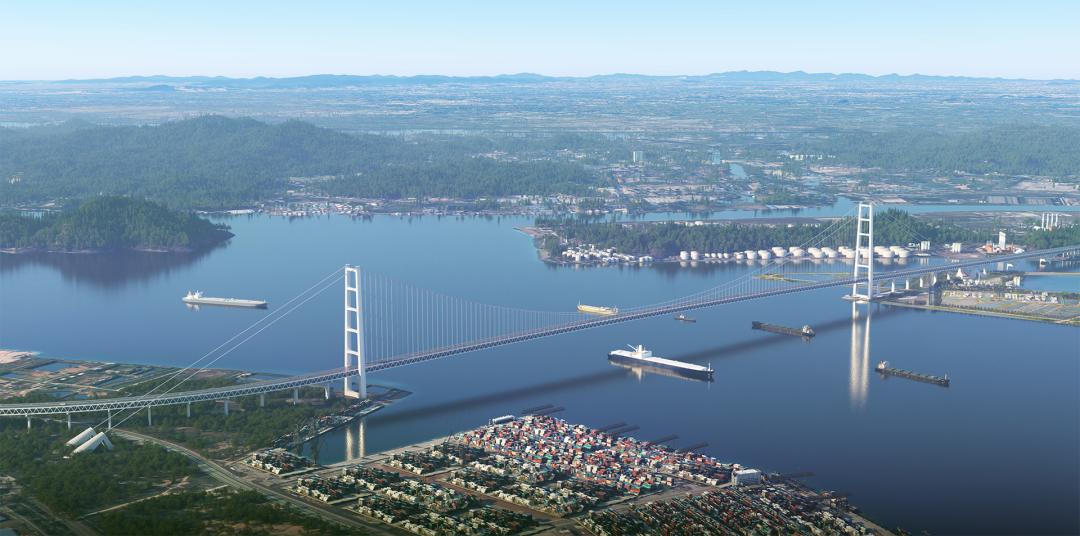
The city also plans to expand its road network to more than 550 kilometers of expressways, around 500 kilometers of urban express roads and at least 1,500 kilometers of arterial roads. Projects include upgrades to the Guangzhou–Shenzhen and Dongguan–Shenzhen expressways and the completion of the Shiziyang Channel. The draft also proposes at least 1,500 low-altitude takeoff and landing facilities.
It also calls for integrated ticketing across metro, intercity rail and bus services, along with smaller electric buses serving industrial parks, schools and communities. By 2035, bicycle lanes are planned to cover all major and secondary urban roads, while at least 70% of daily trips are expected to be made by public transport, walking, cycling and other sustainable modes.